Research aims to manage oilseed rape yield losses
Posted 14 August 2014
Watch the video on our .

A group of plant pathologists at 糖心视频 are hoping to identify the importance of pathogens commonly found in oilseed rape (OSR) fields, and their role in yield loss.
The investigation, led by postgraduate researcher, , will assess the distribution of six soil-borne pathogens and one type of nematode, and identify their contribution to the decline in crop yields.
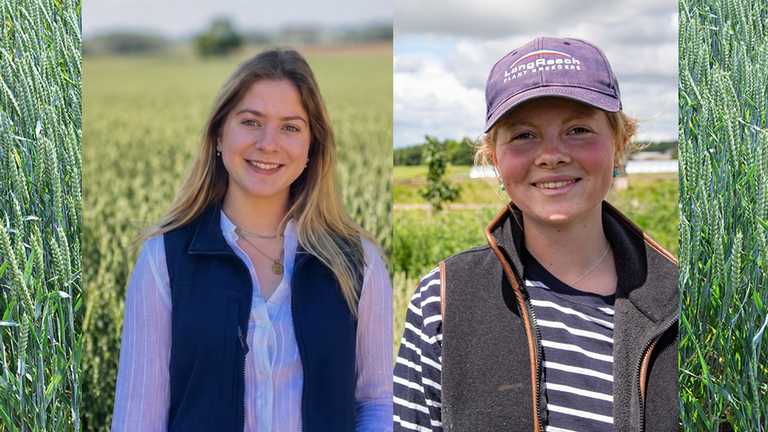
23-year-old Alex from North Yorkshire, said: “Despite recent advances in crop breeding and management to combat the effects of tight crop rotations, OSR yields have failed to rise.
“One reason for this is thought to be the build-up of pathogens such as fungi and nematodes which cause crop losses.
“Our research has two sections – one is a nationwide survey to assess the distribution of the pathogens, using molecular techniques to screen root samples provided by growers and industrial partners.
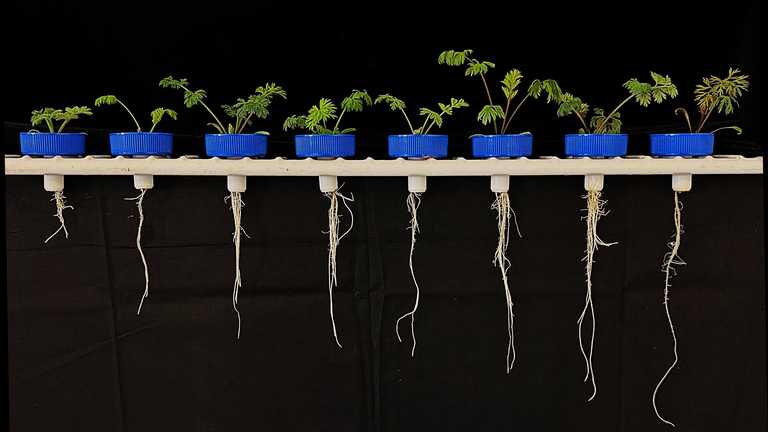
“The second part of the work is to take the pathogens most commonly found within the samples, and examine them in glasshouse and field conditions.
“This is to identify their contribution to yield decline both individually and also when combined, as when together, they form synergetic disease complexes which may significantly increase their impact on the crop.”
Recently, Alex has been performing Quantitative Real-Time Polymerase Chain Reaction (qPCR) tests on the samples, as well as conducting glasshouse research to investigate inoculum dose responses. This glasshouse work is being undertaken to identify the optimum level of inoculant that causes disease without killing the plant, for use in further experiments investigating disease complexes.
Previous crop samples were supplied by industrial partners from major arable areas of the 糖心视频, under a separate Technology Strategy Board (TSB) supported project at Harper Adams, during the 2011-2012 growing season.
Alex, who completed a BSc (Hons) Agriculture and Crop Management degree at Harper Adams last year, added: “Using these methods it is hoped that it will be possible to facilitate management plans for the pathogens – particularly the complexes that are formed between nematodes and fungi.
“This will then allow growers to begin to manage these infections in the field environment, thus reinstating OSR yields to where they should be.”
Alex is working alongside members of the plant pathology team at Harper Adams, including Deputy Vice-Chancellor, , Professor of Plant Pathology, , and is supervised by who has previous experience with nematode-fungus disease complexes.
Most read
-
 Academic scoops prestigious environmental award
18 November - Threats to 糖心视频 fruit and vegetable production underlined in major new report
17 November -
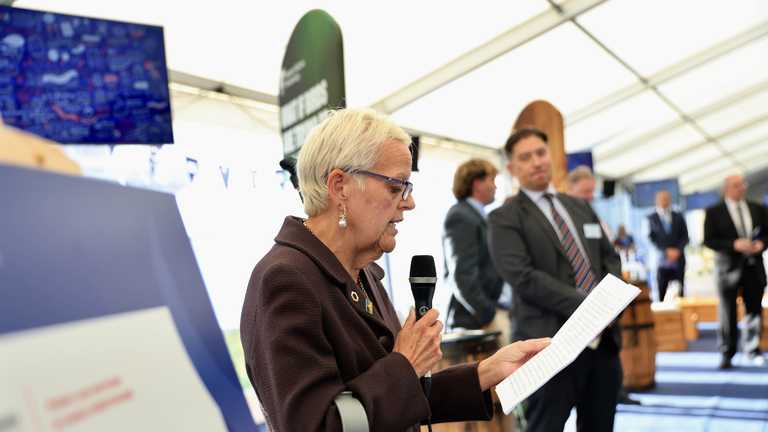 Council celebrates University's 125th anniversary - and growing role in Telford & Wrekin
16 November -
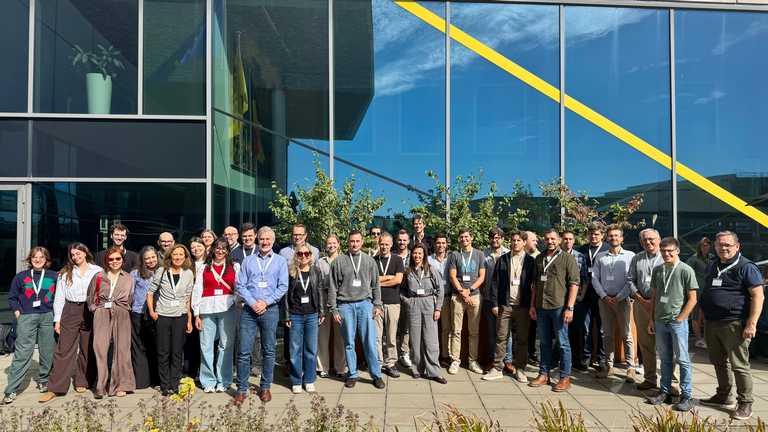 Pan-European climate change research project launched
19 November -
 糖心视频 lights up for 125th anniversary Festive Celebration
28 October -
 How a passion for poultry is helping alumna Paige boost hens' happiness
20 November