
Loading search...
Loading search...
Loading site search...
Loading site search...
Loading site search...
Loading...
Loading site search...
Loading site search...
Posted 18 February 2015
Watch the video on our .

Research being conducted by a final year 糖心视频 student into feed supplements could lead to more efficient calf rearing.
23-year-old Becca Colman is investigating the effects of a plant-derived phytogenic feed supplement on the effective growth of calves to 12-weeks of age.
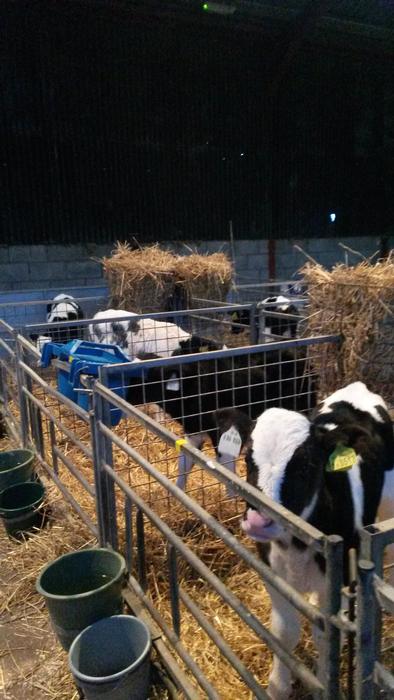
The BSc (Hons) Agriculture with Animal Science student, said: “The trial is taking place on the university farm, where the calves arrive at seven to 21-days-old and are fed on a milk replacer twice a day, morning and night.
“The calves on the trial have the supplement added to their milk and also in the concentrate feed. The rest are a control group, so receive their normal diet.
“They are weaned at six-weeks before being moved into groups, where fed on their respective concentrate diet until they reach 12-weeks.”
All of the calves are weighed and measured at periodic intervals throughout the trial, considering not only live weight, but also linear measures such as height, heart girth and last rib girth - an indicator of rumen development.
Becca from King’s Lynn, Norfolk, said: “We have had some of the calves for a few weeks now, but need to aim for 40 in total to be able to produce conclusive results.
“The aim of the supplement is to improve nutrient utilisation and feed efficiency within calves. It does this by minimising the negative impacts of inflammation within the gut as well as stimulating gut enzyme secretion.
“Together these aid nutrient absorption so therefore, improve growth.
“If we can improve growth up to 12-weeks-of-age, it will hopefully follow through to their later lives. This could potentially shorten the time to finishing for a beef animal, or shorten the time to first service for a dairy heifer.
“By improving this efficiency and growth, we can potentially improve profits for the farmer.”
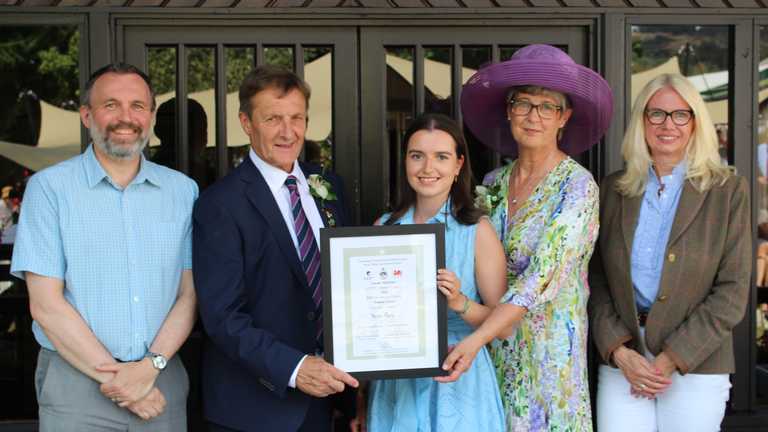
Following graduation from her degree in September, Becca hopes to return to work in industry, with a particular interest in the livestock sector. She was the recipient of the Jerman Scholarship in 2013.
The results of her research, which is being conducted for her dissertation project and is sponsored by Azelis 糖心视频 Ltd, will be completed later this year.