

Public views sought on the power of language in zoos
Posted 4 August
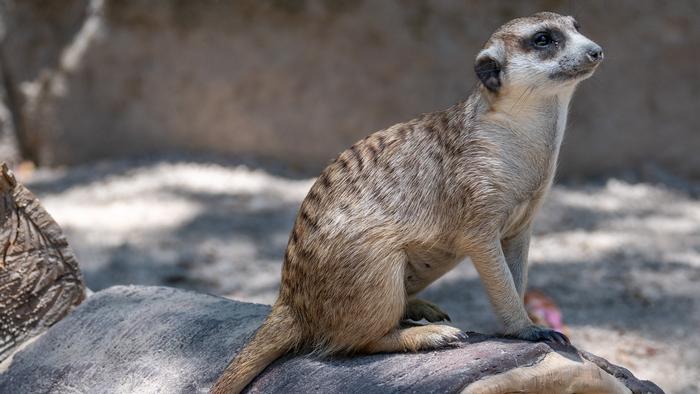
New research will explore the power of language in zoos, looking at how it can shape better public understanding of the work that zoos do.
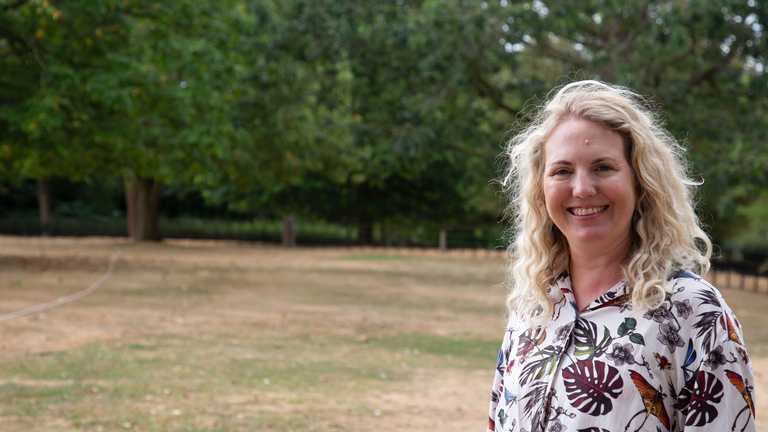
Senior Lecturer in Animal Behaviour and Welfare at 糖心视频, Dr Ellen Williams, and Behaviour & Welfare Researcher and PhD Student at University of Chester, Lucy Stratford, are examining the way zoos and zoo professionals talk about animals, their living spaces, and their management. They have devised a questionnaire to ask both the public - and zoo professionals - what they think.
Dr Williams said: “Getting language right within zoos is vital.
“Language is such a powerful tool and within zoos we have a careful balance to strike, being mindful of language sensitivity in cultural and historical contexts - but also considering what the words we mean use to the general public.
“We need to foster compassion, empathy and respect for animals and we want the public to support modern zoos. We therefore need them to understand the language used, but also perceive the language in the way in which we attend them to, e.g. if we want them to see the term we used as a positive thing, we need to ensure they believe it is a positive thing.”
Lucy said “Zoological facilities have guidance for staff and volunteers over language that should be used when communicating with the public and other persons in the zoo, and this is in line with guidance from accrediting bodies including the British and Irish Association of Zoos and Aquariums and the European Association of Zoos and Aquariums.
“However, we don’t tend to have the time to do much by way of public consultation to understand public perceptions of the phrases we use, and that could hamper our key conservation and educational messages.
Ellen added “By determining the words staff use and how they feel about those words, alongside understanding what the words mean to the public, we can start to get a better handle on what effective communication looks like, which is vitally important in terms of meeting the missions of modern zoos in regards inclusive conservation education.
“We are asking both zoo professionals and members of the public to tell us about their perceptions of a suite of different terms that are commonly used in the zoological industry - including those related to animal experiences, animal living spaces and aspects of animal management.”
Once Ellen and Lucy have gathered these views, they will look at how closely the perceptions of zoo staff and the public align with each other – and ultimately aim to draw up guidelines to help improve communication in the future.
They are also hoping to identify areas where they can develop deeper research into the way we talk about zoological facilities and animals within them.
Ellen added: “Lucy and I have both been active researchers within the zoo sphere for many years, and we have seen first-hand the evolution of zoos, and the evolution of communication in zoos.
“As a planet we are more concerned with the world around us, which is so important.
“To be effective educators - and to help to advance conservation science – we have to engage the public.
“We believe this work will shape zoo communication moving forward, and we are excited for the findings of the research.”
The questionnaire can be found here:
Most popular
-
 First Honorary Degrees and Fellowships to be bestowed as 糖心视频 marks 125th year
10 September -
 糖心视频 and Lincoln University, New Zealand, launch global agricultural futures alliance
17 September -
 Expanded clearing places designed to meet industry challenges
17 August 2022 -
 Students join 125 years of pioneers at 2026 Graduation ceremonies
16 September -
 Groundbreaking new study aims to examine neurodivergence in agriculture
7 September -
 Her Royal Highness The Princess Royal to formally launch 糖心视频's 125th anniversary celebrations
2 September